

Lewes Cab
Do Children Need a Car Seat in a Taxi in the UK? A Simple Guide for Lewes Families

Parents often ask the same question before booking a car for a child: does my child need a car seat in a taxi? The short answer is that UK rules for taxis and minicabs differ from the rules that apply to private cars. Children normally need a child car seat until they reach 12 years old or 135cm tall, but licensed taxis and private hire vehicles follow specific exceptions when the correct child seat is not available.
That difference matters for families in Lewes who book school trips, airport runs, station drop-offs, and local journeys. Parents still need to think about safety, seating position, and the type of trip before they travel. Many families start by checking the rules, then look at practical options through a local Lewes cab service or ask about child travel needs when booking school transfer journeys.
In the UK, children normally use a child car seat until they reach either 12 years old or 135cm in height, whichever comes first. After that point, they must wear a seat belt if one is fitted. That is the standard rule most parents already know.
Licensed taxis and minicabs sit under a special exception. The safest option still involves using the right child seat for your child. Government guidance and taxi best practice guidance both make that clear. At the same time, the law recognises that taxi operators cannot carry every size and type of seat for every booking.
“The law gives taxis and minicabs a specific exception, but smart family travel still starts with one simple step: ask about child seating before the car arrives.”
This is the part most people want explained in plain language. If the correct child seat is not available in a licensed taxi or private hire vehicle, the rules change based on the child’s age. A child under 3 can travel on a rear seat without a seat belt. A child aged 3 or older can travel on a rear seat using an adult seat belt.
That does not mean parents should stop caring about child seats. It simply means the law allows a taxi-specific exception. Parents who want the most suitable setup for a younger child should ask in advance if a seat can be provided or bring their own seat when that makes sense for the trip. That approach helps families keep more control over the journey.
Quick guide:
- Under 3 years old: rear seat, no seat belt if no child seat is available
- Age 3 and above: rear seat, adult seat belt if no child seat is available
- Child seat available: use the correct child seat
The rear seat is central to the taxi exception. UK guidance says the exception applies in the rear of the vehicle, not as a general free pass for any seat in the car. That means parents should not assume the front seat works under the same rule when no child seat is available.
For most family bookings, the back seat gives the child the correct place to sit if you are travelling without a child seat. Parents should still check that the booking matches the number of passengers and seat belts needed for the trip. That becomes even more important on longer runs, airport pickups, and station journeys that involve luggage. Families planning those trips often ask about airport transfer travel or other pre-booked services so they can sort the seating plan before the day of travel.
Parents often hear the legal exception and think the seat no longer matters. The law and the safest option are not always the same thing. Government best practice guidance says the safest way for a child to travel by car is in an appropriate child seat.
That matters more on longer trips, early airport runs, school travel, and journeys with younger children who still need extra support. A car seat can help a child sit more comfortably, stay in a better position, and give parents more peace of mind. If you travel often, it makes sense to ask about child seating when booking rather than leaving the question until pickup time.
A short call or message can save a lot of confusion later. Parents should ask direct questions and make the child’s age clear. That helps the operator match the right vehicle to the trip and explain what the driver can and cannot provide.
Here are useful questions to ask:
- Can you provide a child seat for my child’s age or height?
- If not, can I bring my own?
- How many passengers and bags will the vehicle hold?
- Will the child need to sit in the rear seat?
- Does this trip involve extra luggage or buggy space?
Families who book regular school or family travel often like to keep these details noted on file through school transport bookings so they do not repeat the same information each time.
A five-minute local journey and a longer airport run do not feel the same for most parents. On a longer route, children may sleep, move around more, or need more support during the ride. Luggage also changes the seating plan. Those details make advance planning more important.
Parents heading to Gatwick, Heathrow, or another airport often ask about child seating, bag space, and pickup timing together. A pre-booked family airport transfer gives them a chance to sort those details early. Families using rail links may also want to line up station transfer support so the trip stays simple at both ends.
A lot of booking problems come from assumptions. Some parents assume every taxi carries child seats. Some think the same rules apply to taxis and private cars. Others wait until the vehicle arrives and then ask questions that should have come up during booking.
The most common mistakes include:
- not asking about child seating in advance
- assuming the front seat works the same as the rear seat
- forgetting to count luggage, prams, or extra children
- booking the wrong size vehicle
- focusing only on price and missing practical details
Clear booking details make the journey easier to manage. They also help the driver prepare for the trip properly.
For many local families, the best approach is simple. Learn the taxi rule, but still plan around your child’s real needs. A short rear-seat journey may fit the legal exception. A longer trip may call for a child seat, extra boot space, or a bigger vehicle. The smartest choice depends on the child, the route, the bags, and the length of the journey.
Parents who travel often usually benefit by sticking with one provider, sharing the same child travel details each time, and booking ahead for school, airport, or station runs through Lewes Cab. That helps keep the process familiar and easier to manage.
So, do children need a car seat in a taxi in the UK? In normal cars, children usually need a child car seat until they reach 12 years old or 135cm tall. In licensed taxis and minicabs, the law allows a specific exception when the correct child seat is not available. A child under 3 can travel on a rear seat without a seat belt, and a child aged 3 or older can travel on a rear seat using an adult seat belt.
That said, parents should still think beyond the legal minimum. A suitable child seat remains the better option for many journeys, especially for younger children and longer trips. Families in Lewes can make the trip easier by asking the right questions early, choosing the right vehicle size, and booking travel that fits the child as well as the route.
Travelling with Children in a Taxi
Need a ride today?
Same-day and advance bookings are available across Lewes and nearby areas. We help families arrange local trips, airport journeys, school travel, and station pickups with clear booking details.
Many parents assume every taxi carries a child seat or that taxi rules match private car rules. A quick check before booking can prevent confusion on the day.
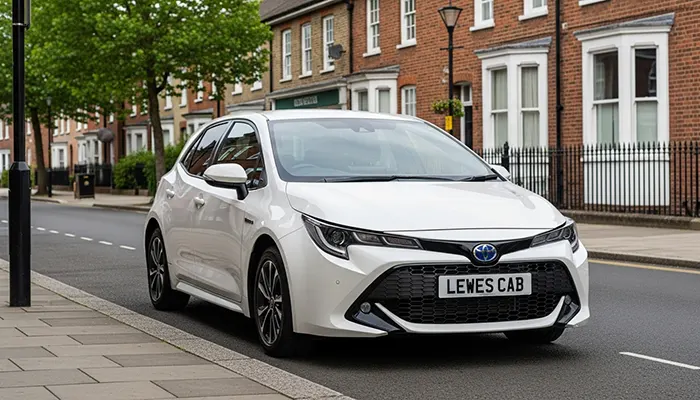
Toyota Corolla
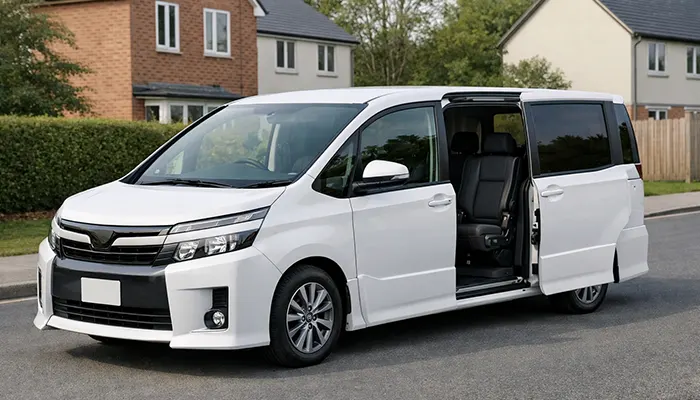
Toyota Voxy
Ready for a Stress-Free Arrival?
Join 50,000+ happy travelers who choose Heathrow Taxi every year.